
PN vs PDRN: Understanding the Differences
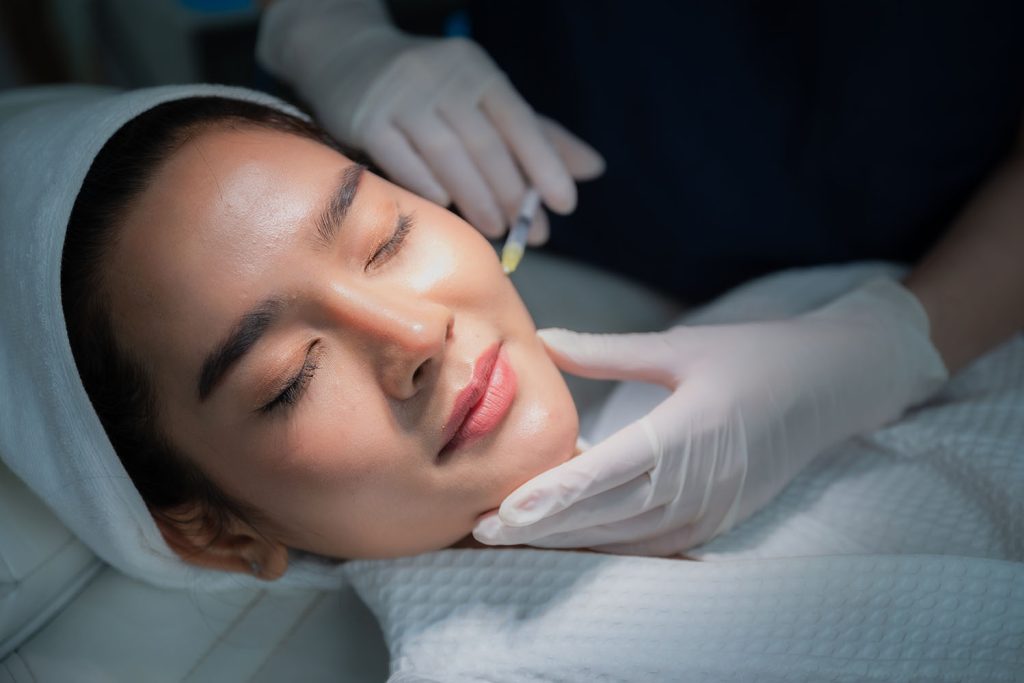
Summary: PDRN consists of short DNA fragments that are easily absorbed by the skin. PDRN is typically used in home skincare products. PN, on the other hand, has larger and longer DNA fragments, which is why it’s administered through injections by a doctor. PDRN requires daily use. PN requires 3-4 sessions as part of the […]
REJURAN® vs. Hybrid HA Skin Boosters: Your Complete Guide
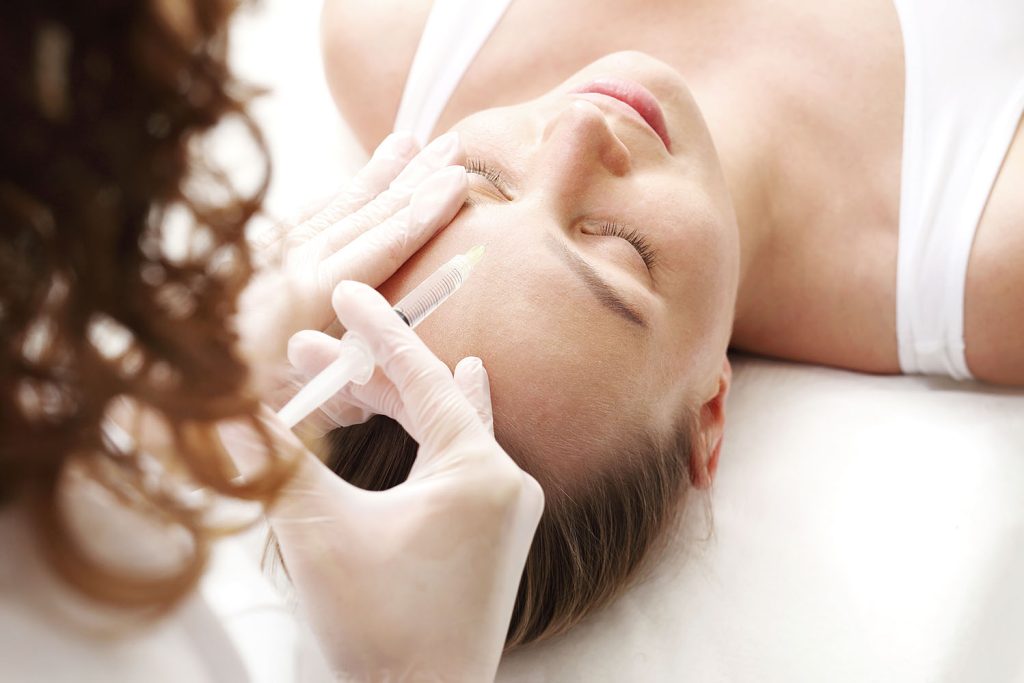
Summary: REJURAN® Healer and hybrid HA skin boosters improve skin quality through different biological pathways. REJURAN® contains Polynucleotides (PN) that is designed to support the skin’s natural renewal processes and overall skin quality, including skin barrier function over time. over time. Hybrid HA skin boosters focus on hydration and surface smoothness with progressive results over […]
REJURAN® vs Fillers: All You Need to Know

Summary: REJURAN® is not a filler. It is designed to support overall skin quality and the skin barrier, while dermal fillers restore volume and reshape facial contours, while dermal fillers restore volume and reshape facial contours using hyaluronic acid. Fillers produce immediate, visible changes; REJURAN® is intended to support gradual improvements in skin texture, elasticity […]
REJURAN® vs Profhilo: Which Skin Booster Suits Your Skin Goals?

Summary: This guide compares REJURAN® and Profhilo, 2 injectable skin boosters with minimal downtime. It explains how each works. REJURAN® is designed to support the skin’s natural repair processes, while Profhilo is intended to improve skin hydration and support skin remodelling. You’ll learn what results to expect, when improvements appear, and how long they last. […]
Guide to REJURAN® in Singapore: Downtime, Duration & Results

Summary: What It Does: Injectable polynucleotides help improve overall skin quality and support skin rejuvenation, suited for thin, weakened or post-acne skin. Downtime: REJURAN® downtime is mild. Patients may experience slight swelling or small bumps, which usually subside within 24-48 hours. Protocol: 3–4 sessions, spaced 3–4 weeks apart. Results typically last 9 to 12 months […]